A good farm newsletter isn’t about hard sales; it’s about building a connection.
Your readers want to hear your story, learn about your farm, and see why they should support you.
A well-written email can keep your customers engaged, bring them back for more, and yes, even sell your products—without feeling pushy.
Here’s my framework for doing this. It’s how we approach emails at longbottomfarm.com and how to create one that works:
1. Start with a Story
People connect with stories, not sales pitches. Use the beginning of your email to share something happening on your farm.
It could be a funny story about your chickens escaping, a milestone you’ve hit, or a challenge you’ve overcome.
How We Do it:
I usually start with a story, but regardless, every email we send at longbottomfarm.com starts with 3-4 photos and captions for each photo. It’s titled, ‘Round the Farm.
This is the initial story as I’m showing and telling what’s happening at the farm.
It’s an easy way to tell your story and the visuals of photos help bring your customers on that journey. Readers love it and we get lots of responses (engagement).
What You Can Do:
- Share one specific story about your farm.
- Keep it short—2–3 sentences is enough.
- Use writing and photos to tell that story
- Tie it back to something your customers care about, like the quality of your products or the hard work behind the scenes.
2. Include Useful Farm News
Give your customers updates they’ll want to know. What’s in stock? What’s coming soon? When should they place orders?
How We Do it:
I always let customers know product updates such as when items are going to be restocked or how to prepare items we sell.
At present, we are focusing on turkeys as Thanksgiving is approaching, and tips about thawing, brining, cooking, etc become very useful to our customers.
Keeping them informed makes it easy for them to take action.
What You Can Do:
- Let customers know what's in stock or out (and when it’s coming back)
- Highlight seasonal products or specials.
- Add deadlines for orders or events.
- Be clear and specific so readers know exactly what to do next.
3. Keep It Personal
Make your newsletter feel like a conversation, not an ad. Use a friendly tone, write like you’re talking to a neighbor, and avoid fancy jargon. This is where your customer avatar comes into play.
How We Do it:
I use words like “you” and “we” in my newsletters.
Instead of saying, “Pasture-raised chicken is available,” I’ll say, “You can grab one of our pasture-raised chickens this weekend!”
What You Can Do:
- Write to your customer avatar.
- Write the way you’d talk to a customer at the farmers’ market.
- Use “you” to make it personal.
- Add little details about your farm life—it makes you relatable.
4. Add a Call to Action (CTA)
A CTA is just a friendly way to ask your readers to take the next step. Want them to place an order? Visit your farm? Reply to your email? Spell it out!
Every newsletter you send should have a CTA, with the subject or material of that newsletter leading / relating to that CTA.
How We Do it:
There are many ways to do this, but I usually put buttons in my emails (Kit makes it really easy to do this).
Buttons convey ‘click me’. If I’m writing about a product in stock or at present, ‘Holiday Turkeys’, I’ll use buttons like ‘Shop Now’ and ‘Count Me In!’.
What You Can Do:
- Use one clear CTA for each newsletter / email. Don’t ask for too many things.
- Keep it friendly: “Click here to shop,” “Reply to order,” or “Join us this Saturday.”
- Make it easy to follow—link to your website, create buttons, or include your email address.
5. Use Free Tools to Look Professional
You don’t need expensive software to send a great newsletter.
Tools like ConvertKit are free to start and let you set up email lists, capture emails with landing pages, and send professional-looking emails. Again, for FREE!
How We Do it:
I’m using ConvertKit to create this email.
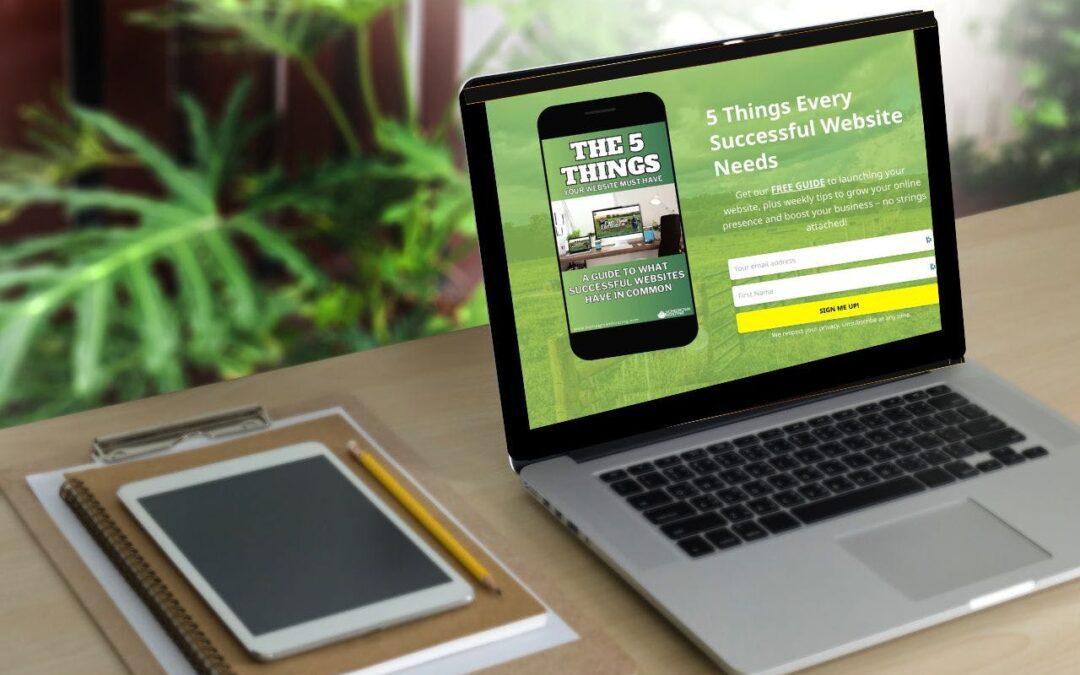
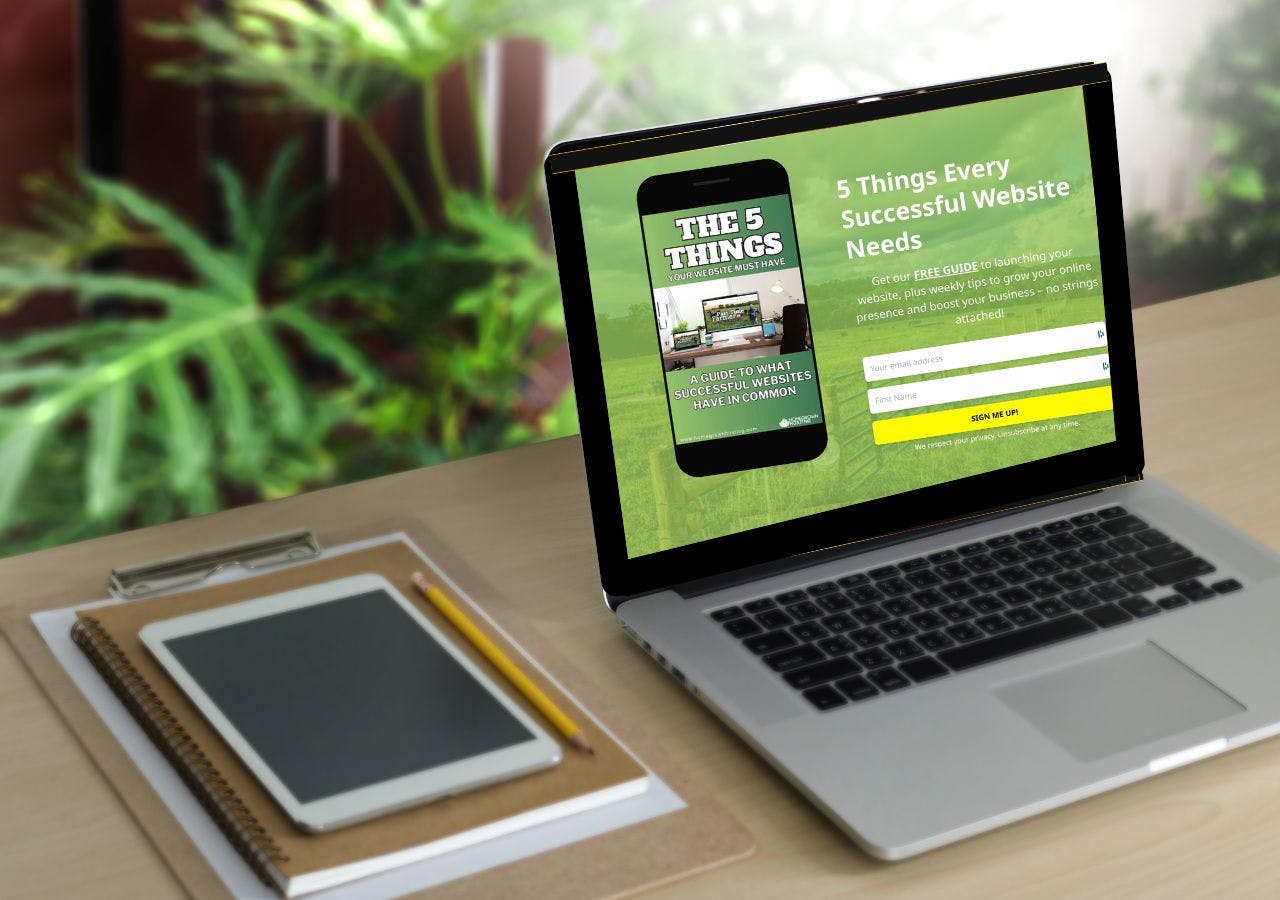
I’ve also created this landing page with a lead magnet (free stuff) to encourage people to sign up.
People enter their email, and now I can send updates directly to their inboxes. It’s easy to set up and costs nothing when you’re starting out.
What You Can Do:
- Create a landing page for email signups (ConvertKit has templates).
- Use a free plan to start collecting emails from customers at markets or on social media.
- Schedule your emails to go out weekly or monthly, so you’re consistent.
What to Do Next
Take 15 minutes this week to start your first newsletter:
- Write a short story about your farm.
- Add one farm update or product highlight.
- End with a clear CTA.
Don’t overthink it—just hit send. Your customers will appreciate the effort, and you’ll begin to build the kind of connection that keeps them coming back.
Have questions or need help getting started? Reply to this email or drop a comment below—I’d love to hear from you!
Happy Farming!




0 Comments